
Password managers aren’t safe or trustworthy. With website vulnerabilities. For more information, see Password Manager - Remember, delete and edit logins and passwords in Firefox. Site-specific preferences: permissions.sqlite; content-prefs.sqlite These two files store many of your Firefox permissions (for instance, which sites are allowed to display popups).
Mozilla Firefox will soon allow you to export your saved login credentials to a CSV text file that you can then import into a password manager or store as a backup.
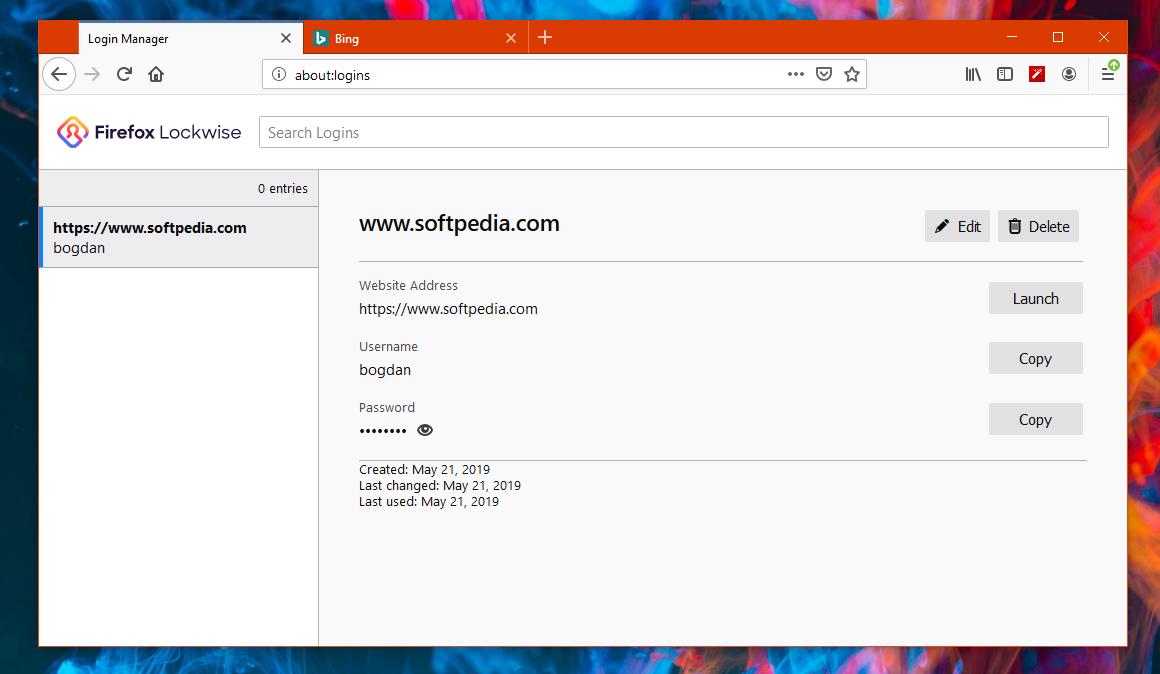
Like many other browsers, Mozilla Firefox has a password manager that allows you to save login names and passwords for websites that you have an account. When you visit these sites, Firefox will automatically popular the login forms with the saved credentials.
In the Firefox 79 Nightly build, Mozilla has added the ability to export your saved credentials to a CSV text file.
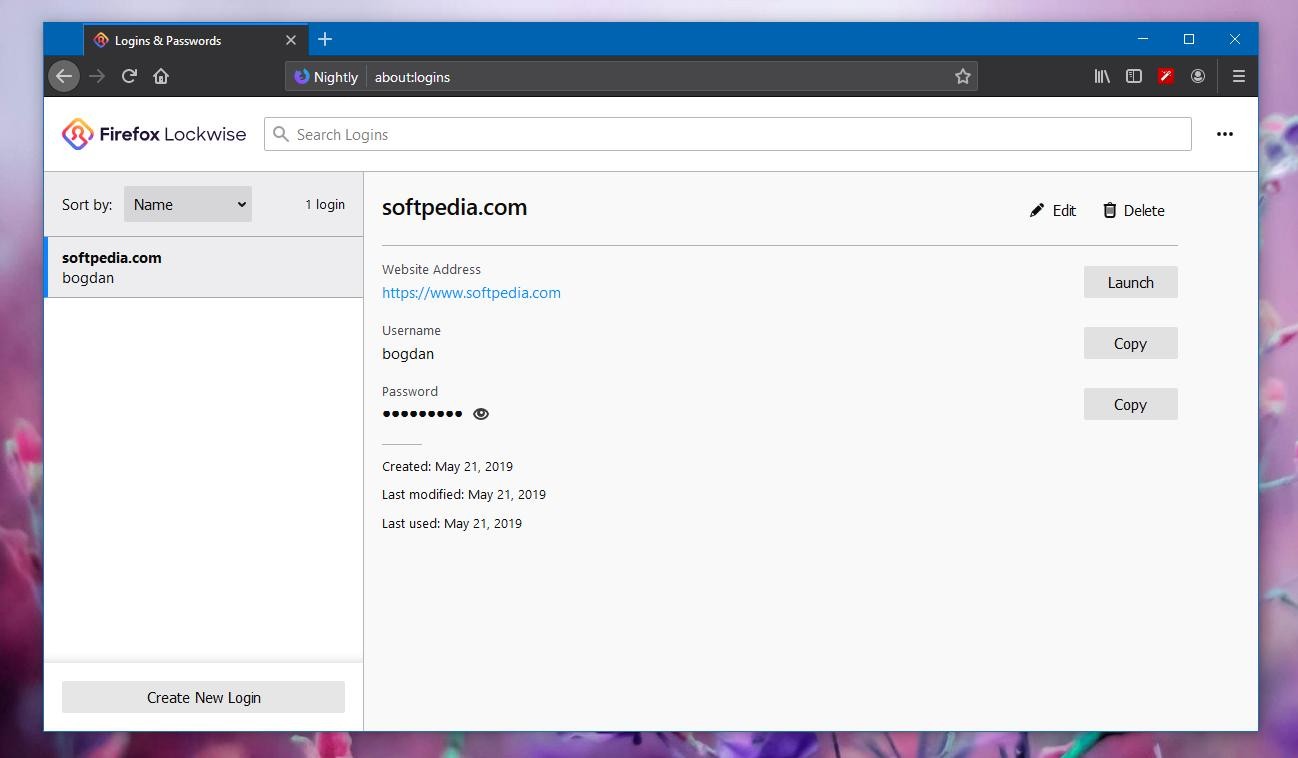
This export can be done through the '...' menu and the 'Export Logins' option shown below.
After clicking on Export Logins, Firefox will explain that the passwords will be stored in plain text and readable to anyone who has access to the file.
As extra security, if a user continues with the export process, Windows at least will prompt the user to first enter their Windows account password.
If the correct password is entered, users will be prompted for a location to save the 'logins.csv' file, which will be used to export your login names and passwords.
For those looking to move to a full-feature password manager, the ability to export your passwords is a useful feature.
Unfortunately, this makes it easy for anyone who has access to your Windows password to dump a full list of your saved credentials and print them out.
Therefore, be sure to only give your Windows password to someone you also trust to know your passwords.
H/T Techdows.com
Related Articles:
Password managers are the most recommended tool by security experts to protect your online credentials from hackers. But many people are still hesitant to use them. Here’s why password managers are safe, secure and your best defense against password-hungry cyber criminals.

What is a password manager?
Think of it like a safe for your passwords. When you need something inside the safe, you unlock it. Password managers work the same for your online credentials.
You create a single, super-strong password, which acts like a key. Install the password manager app on your phone, computer, browser and other devices. Your passwords are securely stored inside it. Anytime you need to log in to an account, unlock your password manager and retrieve your login info.
Myth 1: Password managers aren’t safe or trustworthy
With website vulnerabilities and security incidents on the rise, some people are wary of trusting a tech tool to manage their passwords. What if the password manager gets hacked? Reputable password managers take extra steps to lock down your info and keep it safe from cyber criminals.
A good password manager:
- Doesn’t know your primary password (so hackers can never steal it)
- Only stores encrypted versions of your credentials and data on their servers
- Can generate strong, secure passwords
Enable Firefox Password Manager
Myth 2: Password managers aren’t 100% secure, so I shouldn’t use one
No tool can completely guarantee your online safety. Even the most elaborate lock can be broken into. Yet we still lock our doors to our houses and cars.
The alternative to using a password manager is to rely on your own memory to remember all your credentials — or worse yet — writing them down. This inevitably leads to recycling passwords or using variations — a bad habit that hackers love.
Password managers can be such an effective security tool because they help us improve bad habits. With a password manager installed on your computer and phone, it’s a lot easier to take your logins everywhere so you can use unique, strong passwords on every account.
Myth 3: Storing all my passwords in one place makes them vulnerable to hackers
Depending on the password manager, your passwords could be stored on your local computer or on a remote server run by the password manager. Any data you store in a trustworthy password manager — passwords, logins, security questions and other sensitive info — will be securely encrypted.
Firefox Password Manager Safe
The only way to access your data is with a single primary password that only you know. You use this password to unlock the manager on your computer, phone or other devices. Once it’s unlocked, a password manager can fill in your logins to websites and apps. It’s important that your primary password be strong and unique.
Myth 4: Remembering all my passwords is safer than trusting technology to do it for me
Our memories sometimes fail us. Ever clicked a “forgot password?” link? It’s very common to use variations of the same password to make them easier to remember. With a password manager, you don’t need to remember any of your credentials. It can be installed on all your devices and will auto-fill your passwords for you. Once you get in the habit of using one, you’ll no longer have to worry about forgetting your credentials.
Myth 5: It’s a huge pain to set up a password manager
Firefox Password Manager Location
Sure, it takes time to log all your credentials in a password manager, but you don’t need to do it all at once. You can always start small and change just a few passwords at a time. Try installing a password manager and creating new, unique passwords for the websites you visit most frequently. Over time, as you log in to other sites, you can add others.
Firefox Lockwise is an app for iOS and Android that gives you access to passwords you’ve saved to Firefox. It works by syncing logins from the browser to the app, allowing you to take your login info with you. To get started, sign into Firefox account on your computer (start here if you don’t have one), then sign into Lockwise on your device and sync your logins.
This post is also available in: Deutsch (German)Français (French)